
Trending News
Rivers State Power Struggle: Amaechi Says Wike, Fubara’s Feud is ‘Just About Money Sharing’




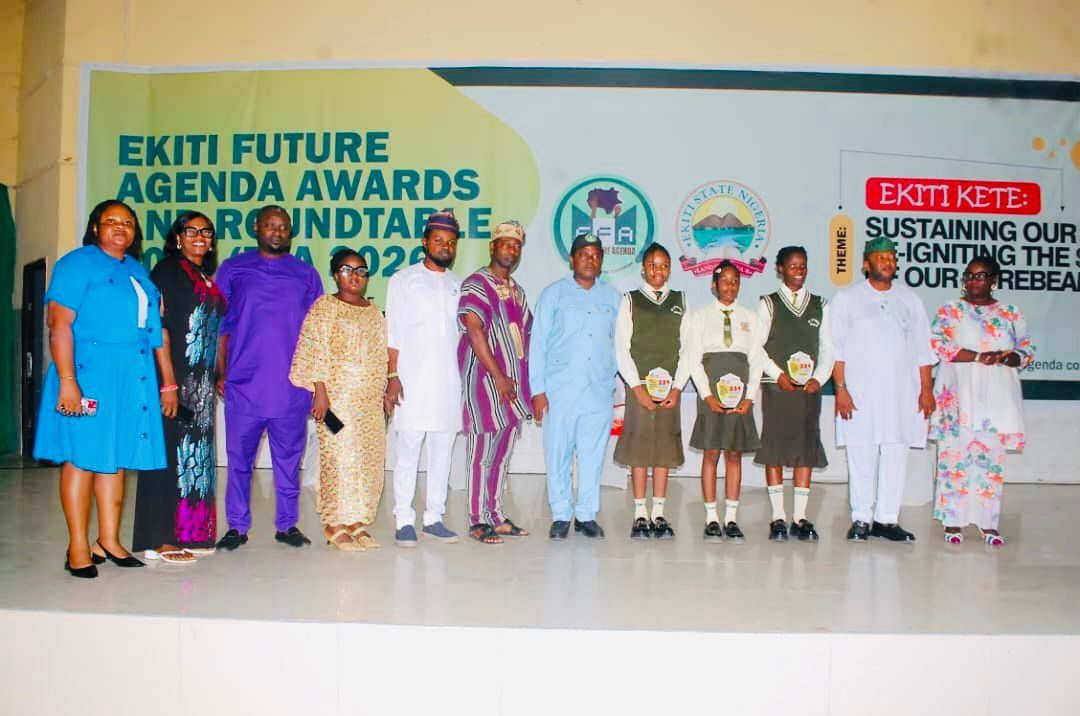
Three teenage students from St. Lawrence Metropolitan College, Ado Ekiti, have clinched top honours for academic excellence at the 2026 Ekiti Future Agenda Awards, held on Thursday at Adetiloye Hall.
Oreoluwa Alayande, Damilola Adeolu and Goodness Ewenike received the awards after a year of standout performances in national spelling competitions that placed Ekiti on the academic map.

Three Ekiti Students Win Big at 2026 Future Agenda Awards
The event drew educators, policymakers and community leaders who gathered to celebrate young achievers across the state. But it was the trio from one school that commanded attention.
Fourteen year old Oreoluwa shot into national prominence in 2025 when she emerged champion of the MTN mPulse Spelling Bee. Her victory came with a ₦5 million education grant, a one day experience as MTN Nigeria’s chief executive, a new laptop and smartphone, and a one year role as Face of mPulse.
Her triumph also delivered major rewards to her school, including ₦10 million, 10 laptops and 10 5G routers, while her teacher received ₦500,000 in cash support.
Thirteen year old Damilola followed with a strong showing at the Nigeria Spelling Bee in Port Harcourt, Rivers State, where she placed second. She is now set to represent Nigeria and Ekiti State at the international finals in Zimbabwe.
Goodness, also 14, secured first place at the National Spell Africa competition in Lagos, completing what many at the ceremony described as a rare academic streak from a single institution.
All three students achieved these milestones while in SS2, balancing routine schoolwork with high pressure national contests.
The awards were presented by Amb. Prince Micheal Ogungbemi, Chairman of Ajoni LCDA, who praised the students for projecting Ekiti beyond its borders through intellect and discipline.

Three Ekiti Students Win Big at 2026 Future Agenda Awards
For St. Lawrence Metropolitan College, the recognition signals more than trophies. It reinforces a growing reputation for grooming students who compete and win on national stages.
For Ekiti, it offers a sharper narrative, one driven not by politics or rhetoric, but by young minds spelling their way into history.

Three Ekiti Students Win Big at 2026 Future Agenda Awards
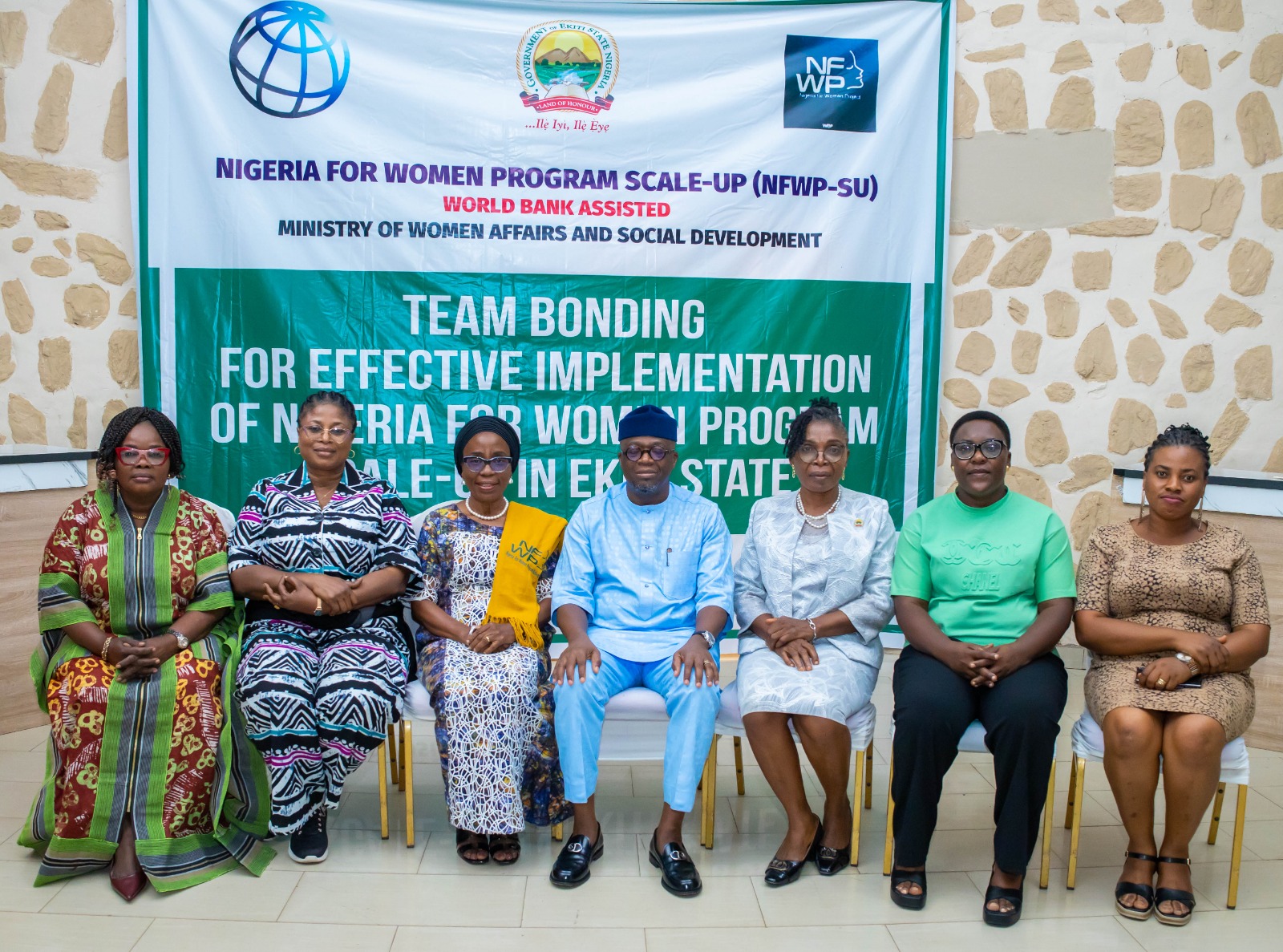
Ekiti State Governor Biodun Abayomi Oyebanji has reaffirmed his administration’s commitment to women’s economic empowerment, declaring that effective implementation of the Nigeria for Women Programme Scale-Up, NFWP-SU, in Ekiti is non-negotiable.
The governor’s position came as senior officials gathered for a three-day team-bonding workshop aimed at tightening coordination among those driving the programme across the state. The government says it is backing the initiative as a practical tool to lift household incomes and deepen grassroots development.

Oyebanji NFWP-SU implementation in Ekiti
Speaking at the opening session, the Chairman of the State Multi-Sectoral Coordinating Structure and Chief of Staff to the Governor, Oyeniyi Adebayo, said Mr Oyebanji views the NFWP-SU as central to his administration’s inclusive growth agenda. He told participants that the scale-up phase demands discipline, professionalism and measurable outcomes.
“This programme must translate into visible impact in our communities,” he said, urging officials to focus on delivery rather than bureaucracy.
The NFWP-SU builds on the Nigeria for Women Programme, a World Bank-supported initiative designed to strengthen women’s access to financial, social and livelihood opportunities through Women Affinity Groups. Ekiti officials say the state intends to use the platform to drive economic independence among rural women.
Commissioner for Women Affairs and Social Development, Olapeju Babafemi, described the scheme as a direct intervention targeted at grassroots households. She warned that resources must reach intended beneficiaries and called for strict transparency in fund management.
Permanent Secretary in the ministry, Sola Adeluyi, reinforced that message, stressing adherence to operational guidelines and institutional synergy to secure long-term sustainability.
Ekiti State Project Coordinator, Toyin Familoni, said the workshop focuses on strengthening unity and coordinated service delivery among field teams. According to her, improved collaboration will reduce duplication and speed up impact tracking across local government areas.
The event also drew a delegation from Ogun State, led by its Project Coordinator, Bolanle Fadairo, who shared lessons from implementation efforts there. Officials described the exchange as an opportunity to refine strategies and avoid common pitfalls.
For the Oyebanji administration, the emphasis remains clear. Women’s economic empowerment sits at the heart of its development blueprint. The governor’s team now faces the harder task, turning policy commitments into tangible gains for women at the household level across Ekiti’s communities.


Three Ekiti Students Win Big at 2026 Future Agenda Awards
Three teenage students from St. Lawrence Metropolitan College, Ado Ekiti, have clinched top honours for academic excellence at the 2026...


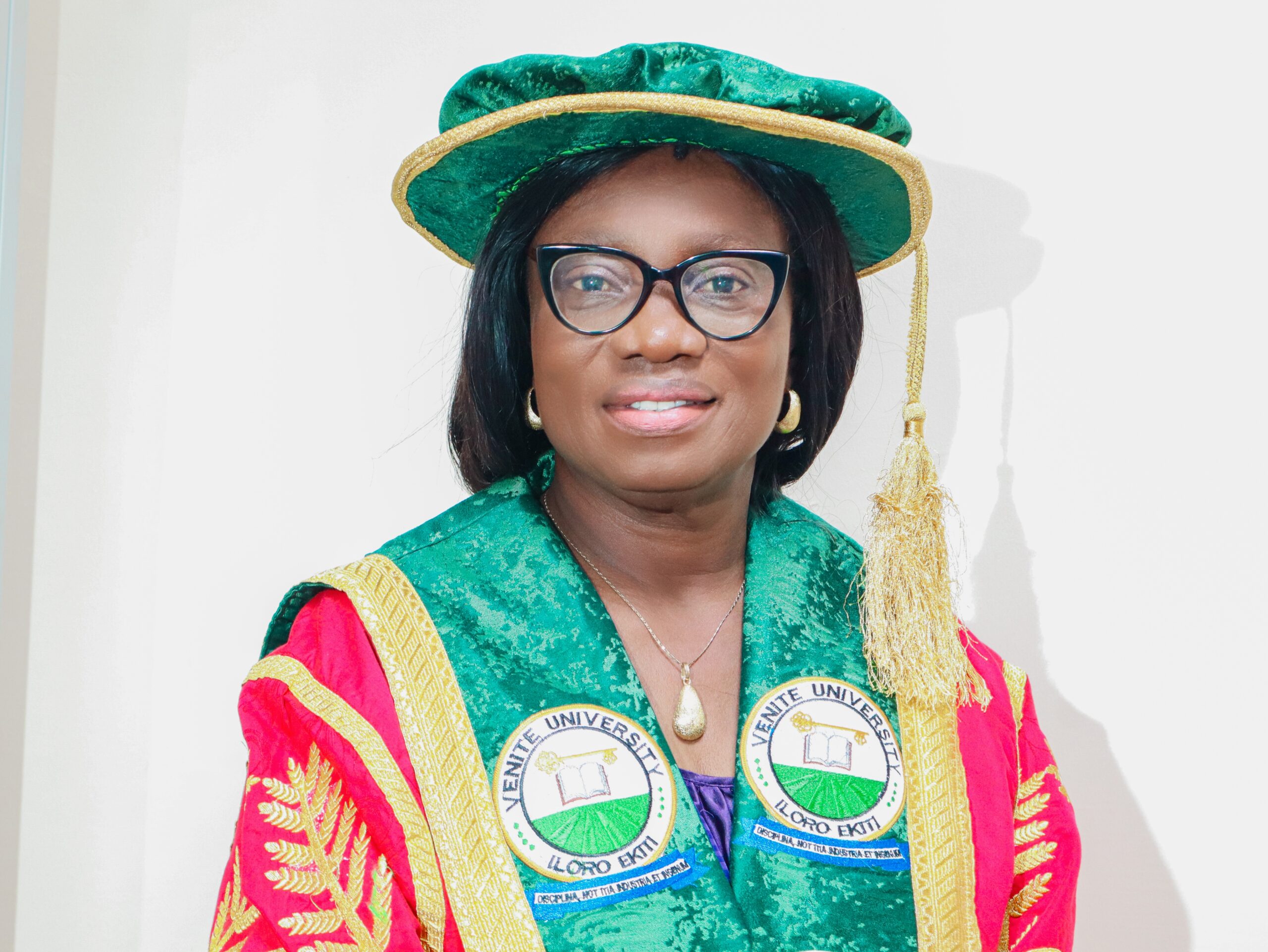
Venite University Appoints Prof Charity Aremu as Vice-Chancellor
Venite University, Iloro-Ekiti, has appointed Professor Charity Aremu as its new Vice-Chancellor after a competitive selection process that drew 25...


Oyebanji Insists on Effective NFWP-SU Implementation in Ekiti
Ekiti State Governor Biodun Abayomi Oyebanji has reaffirmed his administration’s commitment to women’s economic empowerment, declaring that effective implementation of...


Hon. Akinlayo Rallies Ekiti Voters to Re-Elect Oyebanji, Afuye
A member of the House of Representatives, Hon. Kolawole Davidson Akinlayo, has urged voters in Ekiti State to return Governor...


EKSU Alumnus, Oluwatosin Ajayi Empowers 220 Widows in Ekiti
An alumnus of Ekiti State University, Mr Oluwatosin Sunday Ajayi has disbursed ₦4.4 million in direct cash support to 220...


Ekiti First Lady Unveils Roadmap to Boost Women’s Political Power
The First Lady of Ekiti State, Her Excellency Dr. Olayemi Oyebanji, has unveiled a bold roadmap to deepen women’s political...


Ekiti ministries unite to expand women’s economic empowerment programme statewide
Women-focused economic reforms gained fresh momentum on Monday as the Ekiti State Ministry of Women Affairs and Social Development and...


Prince Ejioye Applauds Oyebanji’s Double Awards, Says Ekiti Youth Winning
Ekiti State Governor, Biodun Abayomi Oyebanji, has secured back to back Governor of the Year awards from Leadership Newspaper and...


Ekiti Government Expands Disability Support With Food, Cash Across State
Ekiti State Government has begun statewide distribution of food items and cash assistance to persons with disabilities (PWDs), reinforcing Governor...


Fayemi’s Legacy, Ekiti Development Dominate Afenifere Renewal Group Colloquium
A high-level colloquium in Ado-Ekiti on Tuesday placed the legacy of former Ekiti State Governor, Dr John Kayode Fayemi, at...
-

 Trending News5 months ago
APC Chieftain, Mobolaji Adeyeye Rallies Ekiti Members Ahead of October 27 Primary, Endorses Oyebanji for Second Term
-

 Entertainment7 months ago
5 Cultural Festivals to Look Forward to in Ekiti this August
-

 Trending News1 year ago
Wizkid Cautions Lookalike, Gifts Him ₦40 Million to Build His Own Identity
-

 Trending News12 months ago
Lent 2025 Begins Today with Ash Wednesday
-

 Trending News5 months ago
Akinlayo Hails Tinubu’s Leadership, Rallies Support for Oyebanji as Nigeria Turns 65, Ekiti 29
-

 Trending News1 year ago
Hon. Akinlayo Disburses ₦15M, Promotes 90 Aides to Personal Assistants
-

 Trending News6 months ago
Mobolaji Adeyeye Calls on APC Members to Uphold Democracy & Progressive Values Ahead of Ekiti Primary Election
-

 Trending News7 months ago
Venite University Opens 2025/2026 Admission Portal, Releases Cut-Off Marks and Courses